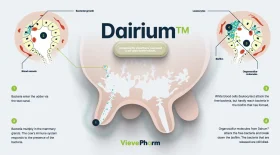
Het natuurlijke als diervriendelijk alternatief voor antibiotica
Eén koe poept en plast ongeveer 100 kilogram mest en urine per dag. Eventuele resten van antibiotica voor ziek vee eindigen (in)direct in de natuur: in weide, sloot, stal, mestopslag en rioolwater.
Udder Health in Dairy Cattle: Key Factors, Management Strategies, and Scientific Insights
Udder health is realy important in dairy production, as it directly influences milk yield, quality, and overall herd productivity. Poor udder health, primarily due to mastitis, remains one of the costliest issues for dairy producers worldwide, affecting both animal welfare and farm economics. Understanding the factors that impact udder health and employing evidence-based management practices are essential to ensure the wellbeing of dairy cattle and optimize production.
1. Importance of Udder Health in Dairy Production
Mastitis, the inflammation of mammary glands, is the leading udder health issue, causing reduced milk yield, changes in milk composition, and increased somatic cell counts (SCC), which are key indicators of milk quality. According to Rollin et al. (2015), mastitis is responsible for up to 70% of total antibiotic use in dairy herds, making it a critical issue not only for animal health but also for antibiotic stewardship efforts in agriculture. Therefore, maintaining good udder health can reduce antibiotic dependency, enhance milk quality, and improve profitability.
2. Factors Influencing Udder Health
Several factors influence udder health, including genetics, environment, management practices, and nutrition.
Genetic Factors: Some breeds, and even specific genetic lines within breeds, are more resistant to udder infections due to inherent differences in immune response. Selecting for genetics that promote udder health can significantly reduce mastitis incidence (Rupp & Boichard, 2003).
Environmental Factors: Cleanliness is crucial in preventing infections. Proper hygiene in housing and milking practices plays a significant role in minimizing bacterial exposure, one of the main causes of mastitis (Ruegg, 2017).
Nutrition: Adequate nutrition, especially vitamin E and selenium, is essential for immune function, making cattle less susceptible to udder infections (Weiss et al., 1997). Diets low in these nutrients can compromise the immune system, increasing susceptibility to infection.
3. Management Practices for Improved Udder Health
Effective udder health management involves a combination of preventive measures, prompt detection, and treatment of infections.
Milking Routine: A consistent, clean milking routine is essential. Pre- and post-milking teat disinfection, for instance, can reduce the transmission of pathogens (Pankey, 1989). Milking equipment should be regularly cleaned and maintained to avoid contamination.
4. The Role of Nutrition in Supporting Udder Health
Nutritional management also plays a crucial role in udder health. It
5. Reducing Antibiotic Use through Better Udder Health
With increasing concerns about antibiotic resistance, reducing antibiotic use in dairy farming is essential. Preventive measures, improved hygiene, nutrition, and the use of supplements can all help reduce reliance on antibiotics. For instance, Sandgren et al. (2008) found that proactive udder health management could reduce antibiotic use.
Conclusion
Maintaining udder health is fundamental to dairy productivity, animal welfare, and farm profitability. Through a combination of good genetics, proper nutrition and supplements, effective management, and emerging technologies, dairy producers can safeguard udder health and reduce mastitis incidence. Additionally, by prioritizing udder health, producers can minimize the need for antibiotics, supporting broader efforts to combat antibiotic resistance. By integrating these strategies, the dairy industry can achieve a more sustainable and efficient production model.
Sustainability is our shared foundation
De huidige veehouderij vraagt in toenemende mate om duurzame producten die bijdragen aan een lager antibioticagebruik, betere diergezondheid en een hogere levensproductie. Deze trend is niet alleen gaande in Nederland, maar ook in vele andere delen van de wereld.
Udder Vital BolusFlash bolus
- Supports the udder
- Contains many antioxidants
- Non antibiotic / no milk withdrawal